


Tired, Wired and Worn Out Why Massage May Be Your 8 Hour Reset - Massage for sleep

You know that bone-deep tiredness that sleep alone does not seem to touch?
The kind where your body feels heavy, your shoulders have quietly moved towards your ears, your mind is doing laps at 2.37 am, and even your “relaxing” bath becomes a planning meeting with bubbles.
If that sounds familiar, your body may not simply need more time in bed. It may need help switching off.
A deeply relaxing massage can feel like someone has pressed the reset button on your nervous system. Many clients describe floating out afterwards with softer shoulders, calmer breathing, better sleep that night, and the sort of peaceful face usually seen on women who have either had eight hours uninterrupted sleep or have temporarily forgotten where the laundry basket lives.
There is a popular idea that one hour of relaxing massage can be equivalent to eight hours of sleep for the body. It is a beautiful thought, and there is a helpful truth inside it, but it needs explaining properly.
Massage does not replace sleep. Nothing does. Sleep is when the brain clears waste products, balances hormones, repairs tissue, and processes memory. But research does suggest massage can move the body into a deeply restorative state, the “rest and digest” mode, where heart rate can slow, breathing eases, stress hormones may reduce, and muscles stop gripping as if they are personally responsible for holding your life together.
So if you feel tired, wired, worn out, emotionally stretched, or stuck in that awful place where you are exhausted but cannot sleep, massage may be exactly the support your body has been asking for.
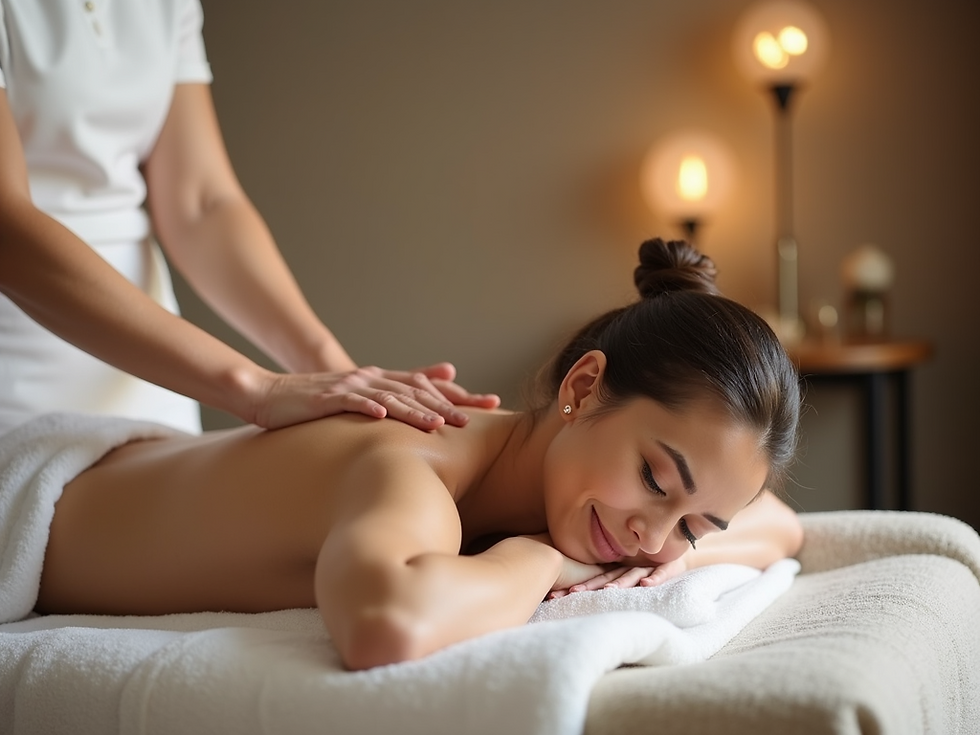
Why feeling tired is not always solved by more sleep
Tiredness is not always straightforward. Sometimes it is lack of sleep, yes. Sometimes it is poor quality sleep. Sometimes it is stress, grief, perimenopause, overwhelm, chronic tension, caring responsibilities, emotional shock, work pressure, relationship change, or simply months of being “fine” when you are absolutely not fine.
The body keeps score in very ordinary ways:
tight jaw
headaches
clenched tummy
lower back ache
restless legs
shallow breathing
poor sleep
irritability
low mood
waking up already tired
that charming little eye twitch that appears when life has become a circus
In the UK, stress and poor sleep are not small problems. The Mental Health Foundation reported in its 2018 UK stress survey that 74% of adults had felt so stressed at some point over the previous year that they felt overwhelmed or unable to cope. The Health and Safety Executive also continues to report stress, depression and anxiety as major causes of work-related ill health in Great Britain.
The NHS describes insomnia as common, with many people experiencing periods where they struggle to fall asleep, stay asleep, or wake too early. Anyone who has stared at the ceiling at 3 am already knows this, but it helps to remember: you are not “bad at relaxing”. Your nervous system may be stuck on high alert.
That matters because the body is not designed to live permanently in fight-or-flight mode. Short bursts of stress can be useful. They help you meet a deadline, respond to danger, or find your keys while muttering things you would never say near a vicar. But long-term stress is different. It can affect muscle tone, digestion, sleep, pain sensitivity, mood, immunity, and emotional resilience.
Massage offers the body something rare: uninterrupted, safe, skilled, hands-on care with no demand to perform, explain, manage, fix, tidy, answer, reply, cook, drive, smile, or be useful.
For one whole hour, your only job is to receive.
That alone is medicine of a kind.
The truth about Massage and 8 hours sleep
Let’s be honest and beautifully sensible.
The phrase Massage and 8 hours sleep is often used because a deeply relaxing massage can leave the body feeling as if it has had a long restorative rest. Dropped shoulders, slower breathing, a quieter mind, and that dreamy “where am I and why am I so soft?” feeling are very real.
But massage is not biologically the same as eight hours of sleep.
Sleep has distinct stages, including deep sleep and REM sleep. During those stages, the brain and body carry out essential work that massage cannot fully recreate. So please do not swap your bed for a massage couch and announce that Kelly said it was fine. Kelly did not say that. Kelly wants you sleeping, hydrated, nourished, and booked in for your massage like the wise goddess you are.
What massage can do is support many of the same systems your body needs for recovery.
Research has found that massage therapy may help:
reduce perceived stress and anxiety
ease muscle tension and pain
support relaxation
improve sleep quality in some groups
lower heart rate and blood pressure temporarily
increase body awareness
support emotional wellbeing through safe, calming touch
A frequently cited review in the International Journal of Neuroscience reported that massage therapy was associated with reductions in cortisol, the hormone linked with stress, and increases in serotonin and dopamine, which are involved in mood and wellbeing. Research quality varies across studies, and results are not identical for everyone, but the direction is encouraging.
Other studies have looked at massage for specific groups, including people with back pain, cancer-related symptoms, anxiety, and poor sleep. The overall picture is not that massage is a cure-all. It is that massage can be a valuable supportive therapy, especially when stress, tension and nervous system overload are part of the picture.
The Touch Research Institute in the United States has also published studies suggesting massage can increase relaxation responses and improve measures linked with stress. In the UK, organisations such as the Complementary and Natural Healthcare Council recognise massage therapy as part of the wider complementary healthcare field, with appropriate professional standards and responsible practice.
So where does the “eight hour reset” idea fit?
Think of it like this. A good massage can give the body a concentrated window of rest. For many people, that hour creates a measurable shift from alertness to calm. Muscles soften. Breathing deepens. The mind stops racing. The nervous system receives the message: “You are safe now.”
That shift can be powerful. Especially if your body has forgotten what safe feels like.

What really happens to the body during a relaxing massage
Massage works on several levels at once. That is part of its magic, and also part of its science.
Your nervous system gets a chance to stop bracing
When life becomes stressful, the sympathetic nervous system becomes more active. This is the branch involved in fight-or-flight. It is useful when you need to escape danger. Less useful when the “danger” is an inbox, a family WhatsApp group, and a washing machine making a noise that sounds expensive.
Relaxing massage encourages the parasympathetic nervous system, often called rest-and-digest. This state supports slower breathing, steadier heart rate, digestion, tissue repair, and sleep readiness.
That is why people often sigh deeply during a treatment. It is not dramatic. It is not rude. It is the body finally dropping the act.
Muscles receive fresh circulation and release tension
Stress often shows up as muscle holding. Neck and shoulders are classics, but tension can also sit in the glutes, hips, scalp, feet, hands, and jaw.
Massage uses pressure, rhythm and movement to increase local circulation and reduce muscle tightness. Better blood flow brings oxygen and nutrients to tissues, while movement can help reduce stiffness and discomfort.
This does not mean one massage undoes ten years of computer posture, emotional labour and carrying every shopping bag in one trip because “it saves time”. But it can begin to create change.
The brain receives calming sensory input
Touch is one of the earliest ways humans experience safety. Skilled therapeutic touch offers steady pressure, rhythm and warmth. This sensory input can help calm the brain’s threat system.
For people going through stressful life transitions, this can be deeply supportive. Bereavement, divorce, menopause, caring for ageing parents, fertility struggles, redundancy, moving house, burnout, illness recovery, or simply the emotional exhaustion of holding everything together, these experiences live in the body as well as the mind.
Massage gives the body a safe place to put some of it down.
Sleep may improve because your body is less guarded
Poor sleep often has a tension loop.
You are stressed, so you sleep badly. You sleep badly, so you feel more stressed. Your body becomes more sensitive to pain, noise, worries, hormones, caffeine, and the fact that your partner appears to breathe like an asthmatic walrus at midnight.
Massage can help interrupt this loop. If your muscles soften, your breathing slows, and your mind feels calmer, sleep can become easier to access.
A review of massage and sleep studies has suggested that massage may improve sleep quality in various groups, including people with pain, older adults, and people experiencing stress-related symptoms. The evidence is not perfect, and more high-quality research is needed, but many findings match what therapists see every week: relaxed bodies often sleep better.
Why massage matters during stressful life changes
There are seasons of life when a scented candle and a cup of tea are lovely, but not enough.
Life changes can shake the nervous system. Even positive transitions can be stressful. A new job, becoming a parent, moving home, starting again after a relationship ends, caring for someone, recovering from illness, approaching menopause, or navigating loss can all create an inner sense of instability.
The body may respond with:
exhaustion
tightness
digestive changes
disturbed sleep
low patience
tearfulness
headaches
feeling disconnected from yourself
craving sugar, silence, or both
Massage offers grounding. It brings awareness back to the body in a gentle way. For anyone who has been living from the neck up, planning, thinking, coping, worrying, remembering, anticipating, massage says, “Come back here. Come back to yourself.”
This is How important it is to understand massage as more than a luxury. It can be part of a steady self-care structure, alongside sleep routines, movement, nourishing food, emotional support, medical care when needed, and time away from constant demands.
Self-care has been watered down in popular culture until it sometimes sounds like buying a new lip balm and pretending everything is fine. Real self-care is more honest. It is asking, “What does my body need to keep carrying me through this life?”
Sometimes the answer is rest.
Sometimes it is boundaries.
Sometimes it is a cry in the car followed by a sandwich.
And sometimes it is a professional massage from someone who knows exactly how to help your body feel safe again.
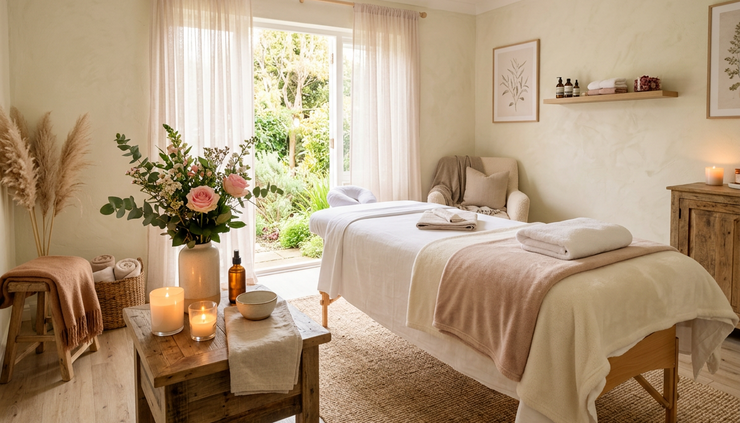
What people often feel after a massage
Every body responds differently, but after a deeply relaxing massage many people report similar changes. In my experience, after more than 29 years in massage, spas and health clubs, the most common post-massage phrases are very familiar.
They include:
“I feel lighter.”
“I didn’t realise how tense I was.”
“I could have stayed there all day.”
“My shoulders have dropped.”
“I feel like I’ve had a proper rest.”
“I might not be able to form a sentence.”
“Can I take this couch home?”
That last one happens more often than you might think.
Physically, people may feel looser, warmer, softer, and less restricted. Mentally, they often feel clearer or quieter. Emotionally, massage can sometimes bring relief, tenderness, or even tears. That is not a bad sign. When the body finally relaxes, feelings that have been held down can rise gently to the surface.
This is why aftercare matters. After a massage, it helps to:
drink water
avoid rushing straight into stressful tasks
eat something nourishing
keep the evening gentle if possible
notice how your body feels later that day
sleep when your body asks for it
A relaxing massage may also make you aware of how tired you really are. That is useful information. Many people live on adrenaline for so long that calm feels unfamiliar at first. Once the body stops running on emergency power, the real level of fatigue can appear.
That is not massage “making you tired”. That is massage taking away the disguise.
The UK picture shows we need better rest
Across the UK, many people are living with stress, poor sleep and fatigue as if it is just the price of being an adult. It should not be.
The Mental Health Foundation’s stress figures show how common overwhelm has become. The HSE’s ongoing reporting on work-related stress, depression and anxiety points to the same issue. NHS guidance on insomnia reflects how often sleep difficulties affect daily life.
Add perimenopause and menopause symptoms into the picture, and sleep can become even more fragile. Night sweats, anxiety, joint aches and hormonal changes can all disrupt rest. Many women also carry invisible emotional labour: remembering appointments, caring for others, managing family needs, supporting friends, working, planning meals, noticing when the loo roll is down to one square and somehow being the only person troubled by this.
No wonder the body gets tired.
Massage is not a magic wand. It will not make your emails disappear, fold the washing, or stop someone asking what is for dinner while standing in front of a full fridge. But it can help your body recover from the load.
That recovery is not indulgent. It is maintenance.
Think of massage as care for the system that carries you through everything else.
Your body is not a machine, but even machines get serviced. Nobody calls a car selfish for needing oil, tyres and an MOT. Yet many people expect their bodies to run on caffeine, guilt and four and a half hours of broken sleep.
Massage says no, darling. We are doing things differently now.
Why booking with experience matters
A beautiful treatment room matters. Lovely oils matter. Warm towels absolutely matter, because cold towels have no place in civilised society.
But experience matters most.
I am Kelly Singh, author and therapist at Pure Bliss Holistic Therapies, with over 29 years of experience in massage, spas and health clubs. Over those years, I have worked with many bodies, many stress patterns, and many life stories. I understand that no two treatments should feel exactly the same, because no two people arrive carrying the same load.
A good massage therapist listens with their ears, hands and intuition.
That means noticing when shoulders need deeper work, when the nervous system needs gentleness, when silence is more healing than chat, and when someone needs to be tucked in like a precious human burrito and allowed to fully switch off.
Professional massage is not just rubbing sore muscles. It is skill, pressure, pacing, anatomy, presence, safety and care. It is knowing when to ease in, when to hold steady, and when to let the body lead.
For stress and fatigue, this matters. A body that is already overwhelmed does not always need an aggressive treatment. Sometimes it needs calm, rhythmic, nurturing work that tells every cell, “You can let go now.”
If you have a medical condition, are pregnant, have a recent injury, are undergoing cancer treatment, have a history of blood clots, or have any health concern, it is best to seek medical advice before booking massage. Massage is supportive, but it is not a replacement for medical diagnosis or treatment.

Make massage part of your real self-care
One massage can feel wonderful. Regular massage can become a meaningful part of how you care for your physical, mental and emotional wellbeing.
That does not mean you need to book every week forever, unless your body and diary are both cheering for that. It means creating a rhythm that supports your life.
For some, monthly massage is ideal. For others, it is most needed during stressful periods, poor sleep phases, grief, hormonal shifts, heavy workloads, or times when the body keeps whispering, then talking, then shouting.
Signs you may be ready to book include:
you wake up tired even after sleeping
your shoulders, neck or back feel constantly tight
you feel emotionally overloaded
you cannot switch off
sleep feels light, broken or restless
you are living on caffeine and willpower
you keep saying “I’m fine” in a voice that suggests you are not fine
your body feels like it needs care, not another lecture
Self-care works best when it is planned before you fall apart. Do not wait until your body has filed a formal complaint.
Massage can be a loving appointment with yourself. A line in the diary that says, “I matter too.” Not after everyone else is sorted. Not when life calms down. Not when the house is perfect and all the washing is done, because let’s be honest, that mythical day has yet to arrive.
Book it because your body is already asking.
Book it because stress has a cost.
Book it because rest is productive in the deepest sense.
Book it because your sleep, mood, muscles and nervous system deserve support.
And book it because floating out of a massage room with soft shoulders and a clear mind is one of life’s legal highs.
If you are feeling tired, wired, worn out, low in energy, or desperate for proper rest, now is the moment to listen to your body. You can book your massage with Kelly Singh at Pure Bliss Holistic Therapies and give yourself the reset you have been craving.
Massage may not replace eight hours of sleep, but it can help your body remember how to rest. And sometimes, that is where the real healing begins.
To check out my massages that I provide please click here to see what I offer
Looking forward to massaging you soon!
Kind regards
Kelly
x

Visit me at www.pureblissretreats.co.uk
Email me at: kellysinghinfo@mail.com
Whats app me: 07599 884213


Comments